Research and Outreach
At the Africa Center of Excellence in Aquaculture and Fisheries Science, we are committed to advancing knowledge through cutting-edge research and fostering collaborations with national and international institutions. Explore our ongoing research projects, publications, and initiatives aimed at addressing critical issues in aquaculture and fisheries.

Key Research Areas
1. Insect-based proteins for Livestock and Fish feed innovations
- Black Soldier Fly (BSF) & Yellow mealworm larvae
- Can replace expensive fishmeal and soybean meal thereby cutting feed costs.
- Provide high-quality protein and fat alternative for both fish and livestock feed.
- Promote circular agriculture by recycling crop residues, food waste, and manure into valuable feed ingredients thereby contributing to waste reduction and environmental sustainability.
- Emerging opportunity for small-scale insect farming enterprises, especially for youth and women.
2. Industrial Hemp Research
- Hemp seed meal for feed production
- Contains up to 30% protein and essential fatty acids.
- Being tested as an alternative to conventional protein feed ingredients in livestock and fish feeds, offering cost-effective options.
- Potential to enhance growth performance and improve nutritional quality of fish and poultry.
- Hemp seed cake for food innovations
- Rich in essential fatty acids, proteins, and micronutrients, addressing hidden hunger and malnutrition.
- Being incorporated into foods (i.e., maize-hemp meal) for improved dietary diversity.
- Provides new value-chain opportunities for an underutilized crop (hemp), driving agri-food market expansion.
- Hemp seed production
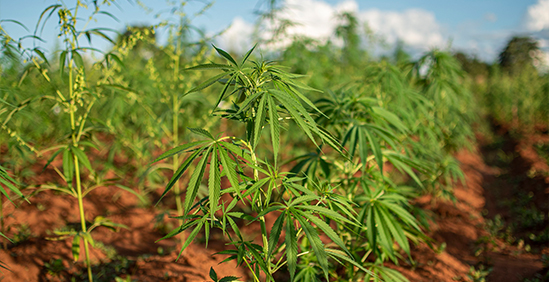
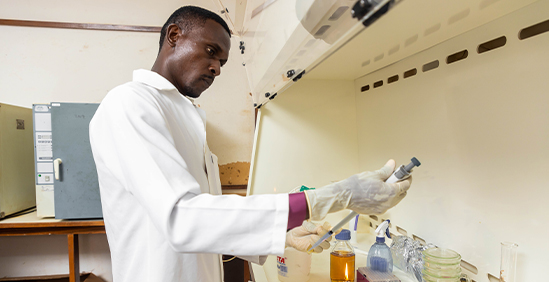
At LUANAR, there are various initiatives on industrial hemp research, supported through the Invegrow and AquaFish partnership, researchers are pioneering cutting-edge studies on industrial hemp that promise to transform Malawi's agriculture. Beyond field trials on fertilizers, planting methods, and crop spacing, our teams are breaking new ground in animal nutrition research—exploring hemp as a sustainable protein source for both poultry and fish.
What's Exciting?
- Agronomy breakthroughs: Hemp shows promise as a versatile crop—boosting yields, surviving better in trays, and offering both seed and fiber opportunities.
- Hemp Feed for Poultry innovations: Feeding broilers with hempseed cake could lower feed costs while maintaining growth and quality.
- Fish feed to power fish product and future: Tilapia fed hemp-incorporated diets grew faster—pointing to hemp as a game-changing protein source.
- LUANAR for more Impact: This research is unlocking new value chains, jobs, and healthier food systems for Malawi.
3. Fish Preservation and value addition
- Lactic acid as a bio-preservative for fresh fish
- Extends shelf-life of fresh fish, reducing spoilage and post-harvest losses (often >30%).
- Functions as a natural, low-cost, and eco-friendly preservative.
- Improves food safety and maintains quality without reliance on cold-chain systems.
- Supports smallholder fishers, processors and traders to reduce waste and increase profits.
- Fish powder
- Rich in essential fatty acids, proteins, and micronutrients, addressing hidden hunger and malnutrition.
- Being incorporated into foods (i.e., fish meal) for improved dietary diversity.
4. Aquaponics – Climate Smart Technology
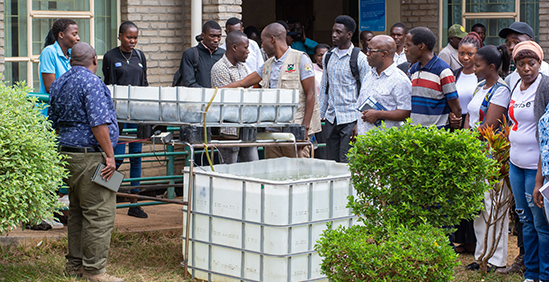
- Integrates aquaculture (fish farming) with hydroponics (soil-less crop production) in a closed-loop system.
- Fish waste provides natural nutrients for plants, while plants purify and recycle water back to the fish tanks.
- Reduces input costs (fertilizers, water) through nutrient recovery and recycling.
- Produces both fish and vegetables simultaneously, ensuring multiple income streams and improved household nutrition.
- Highly suitable for urban and peri-urban areas with limited land and water resources.
5. Fish Health Solutions
- Herbal Medicines
- Researching locally available medicinal plants (i.e. garlic, ginger, hemp, moringa and onions) to manage common fish diseases.
- Provides a low-cost, eco-friendly alternative to synthetic drugs and antibiotics.
- Enhances fish welfare, reduces mortality, and supports organic aquaculture systems.
- Vaccine Development
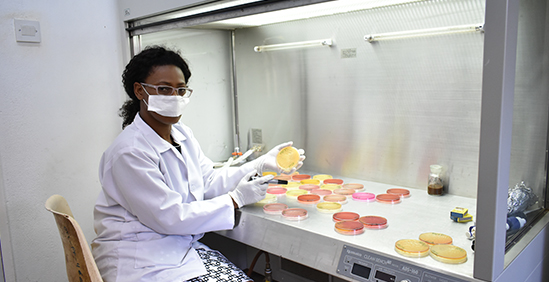
- Focused on preventing major aquaculture diseases (e.g., Streptococcus infections, Aeromonas spp.).
- Reduces dependency on antibiotics, promoting biosecure and sustainable aquaculture systems.
- Builds resilience of smallholder aquaculture enterprises against disease outbreaks.