LUANAR Champions TAGDev 2.0 Stakeholder Engagement Across the Central Region
Posted: August 22, 2026 Posted By: Precious Maunde
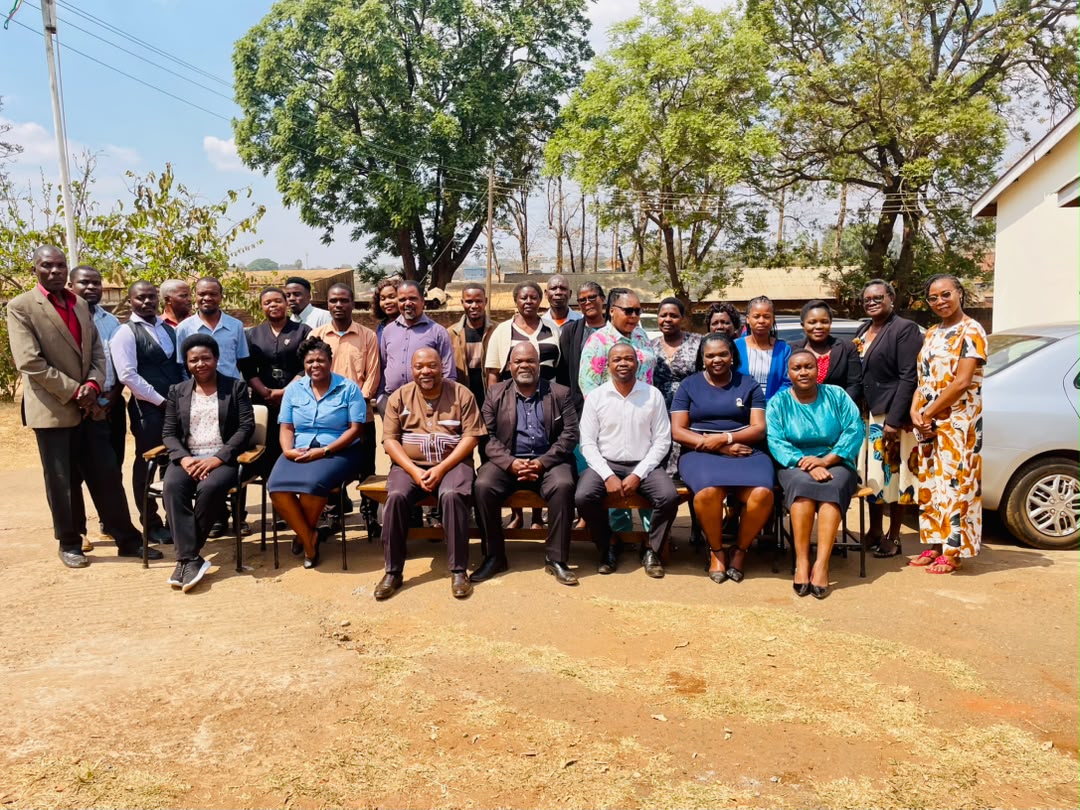
The Lilongwe University of Agriculture and Natural Resources (LUANAR), through the Transforming African Agricultural Universities to Meaningfully Contribute to Africa’s Growth and Development (TAGDev 2.0) programme, has intensified stakeholder engagement across Malawi’s Central Region, with the University championing engagement in Dedza, Mchinji, Lilongwe and Dowa.
From Tuesday, 18 August to Friday, 21 August 2026, a LUANAR delegation travelled to the four districts to engage key district stakeholders as part of preparations for the implementation of the programme’s Agri-food Systems and Entrepreneurship Center (ASEC) component.
The delegation that went to the four districts included the Project Principal Investigator and Dean of the Faculty of Agriculture, Dr Vincent Mgoli Mwale, the Director of Research and Outreach, Dr Sam Katengeza, the Head of the Department of Horticulture, Dr Jacinta Nyaika, and the LUANAR Research Ethics Committee Administrator, Dr Sarah Tione, alongside other members of the project team. The involvement of personnel from different areas of the University was important given that ASEC goes beyond agricultural production.
TAGDev 2.0 is a 10-year programme running from 2023 to 2033, funded by the Mastercard Foundation and implemented through a partnership involving the Regional Universities Forum for Capacity Building in Agriculture (RUFORUM), GCHERA and 15 African universities. The programme seeks to strengthen universities and TVET institutions to equip and empower young people to contribute to inclusive, equitable and climate-resilient transformation of agriculture and agri-food systems.
In Malawi, MUST is the host institution for TAGDev 2.0, with LUANAR, Mzuzu University and the University of Livingstonia among the institutions collaborating in its implementation. The ASEC component, known in Malawi as Fostering Sustainable Agri-food Systems Skills, Entrepreneurship for Wealth Creation (FOODFUTURE), focuses on strengthening skills, entrepreneurship, innovation and agricultural value chains, with maize and soybean identified as the primary value chains, alongside areas including, aquaculture, dairy, root and tubers.
The engagement focused on consultations with the District Agriculture Executive Committees (DAECs), state and non-state actors in each of the four districts. During the meetings, the LUANAR team presented the proposed ASEC interventions and engaged district agriculture officials on how the initiative could be implemented within their respective districts.
The consultations provided an opportunity for district teams to share their perspectives, experiences and understanding of the agricultural priorities and challenges affecting their communities. The engagement was important in ensuring that program implementation aligns with the realities and priorities of the districts.
The DAECs provided comments and recommendations to the proposed interventions. The feedback from the district agriculture structures will now be incorporated into the programme as the project moves to the next stage of engagement.
Importantly, the consultations resulted in the proposed initiative being recommended to proceed to the District Executive Committees (DECs). Chaired by the respective District Commissioners (DCs), the DECs provide a broader district-level platform through which the initiative can be presented and discussed with a wider range of government stakeholders.